1) Furigana
Furigana, also known as よみがな or ruby, are the Hiragana characters either on top or to the side of Kanji characters.
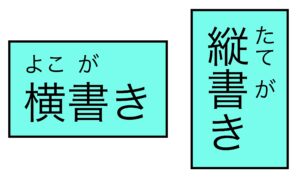
As you can see, if the writing is horizontal, the furigana will be on top and if the writing is vertical, it will be on the right side. Either way, furigana tell you how to pronounce the Kanji characters.
There may be anywhere from 1 to 5 Hiragana characters represented by a single Kanji character!
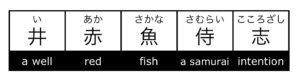
We Japanese learners need furigana when we start studying Kanji and reading Japanese text. But Japanese children also need furigana when they are learning Kanji and even Katakana. Here you can see furigana used to learn Katakana characters.
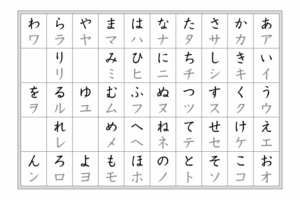
Whether or not you see furigana depends on a few different factors:
- the intended readers
- the rarity of the Kanji
Generally, you won’t see many examples of furigana. However, if you pick up a book/novel intended for elementary-aged children, you might see lots of furigana. This is because (like us!) they either haven’t learned the Kanji’s readings or the writer intended the Kanji to be read in a certain way.
Some websites, books, IG posts, Youtube videos, etc that are intended for non-Japanese readers will also have a fair amount of furigana. Granted, it is helpful at first, but it’s a good idea to wane yourself off of furigana as you get better (or if you WANT to get better). The more you see a Kanji character, the more likely you are to remember its reading.
Gikun (義訓)
Sometimes furigana doesn’t tell you the actual reading of the Kanji. Instead, it can be used to add nuance, as in the examples below:
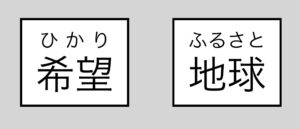
In these cases we call the furigana gikun, which loosely translates to “a false reading”.
On the left, the Kanji reads 希望, which means “desire or wish” but the furigana reads ひかり, which means “light”. This conveys to the reader that light is a metaphor for hope in whatever setting you are seeing that Kanji.
On the right, the Kanji reads ちきゅう, which means “Earth” but the furigana reads ふるさと which means “home town” or “where someone is from”. This tells the reader that someone is an Earthling – as compared to a Martian or an alien from another planet.
This is a more-advanced way that furigana is used, so you won’t see it unless you are reading manga or novels aimed for native speakers.
First the Word, Then the Kanji (Ateji & Jukujikun )
On the day that I arrived in Japan, they asked me for my name in Katakana at the airport. I hadn’t really thought about it so they wrote my name how it sounds to the Japanese ear.
A few days later, I was thinking about this, and it occurred to me that in the same way that they just “assigned me” katakana, I could also give myself Kanji for my name! My name is Albert but I took my nickname Al and “Hiraganized” it, getting ある. At this point I needed 1 or 2 Kanji that sounded out ある. I eventually decided on 亜琉. I’ll come back to this a bit later.
亜琉 is what is called ateji. I started with a word and “worked backwards” to end up with Kanji, based on their readings. Another example of ateji is the Japanese word for The United States. Written in Hiragana it’s あめりか, but when written in Kanji it becomes:
亜 read as あ
米 read as め
利 read as り
加 read as か
Keep in mind that these Kanji have nothing to do with the meaning of “America” or “The U.S.” (whatever that is lol). They were only chosen based on the way you read each Kanji. This is the idea of ateji.
A similar concept is Jukujikun. The word あさって means “the day after tomorrow”. When it came time to assign Kanji to this word, the following 3 were chosen:
明 meaning “tomorrow”
後 meaning “after”
日 meaning “day”
You can reasonably see how this combination of Kanji can come to mean “the day after tomorrow”. The thing is, the actual way you read those Kanji are nowhere close to あさって!They were chosen because of their meanings and not their readings. It’s almost the reverse of ateji. 2 more examples are:
今日 is read as きょう but
今 is not きょ
and
日 is not う
下手 is read as へた but
下 is not へ
and
手 is not た
When it comes to jukujikun, because the furigana can’t be separated between the characters, it will appear either in the middle of the characters or stretched across them.

As for my Kanji, because the characters sound out ある, 亜琉 is ateji. However, I also chose 2 Kanji with meanings that I liked. 亜 means “Asia” and 琉 means “gem” so I chose my name to mean “gem of Asia”.
2) Okurigana
Now, let’s talk about okurigana. It is similar to furigana, except that it only appears next to Kanji. Okurigana is thought of as “hanging off of” Kanji characters.
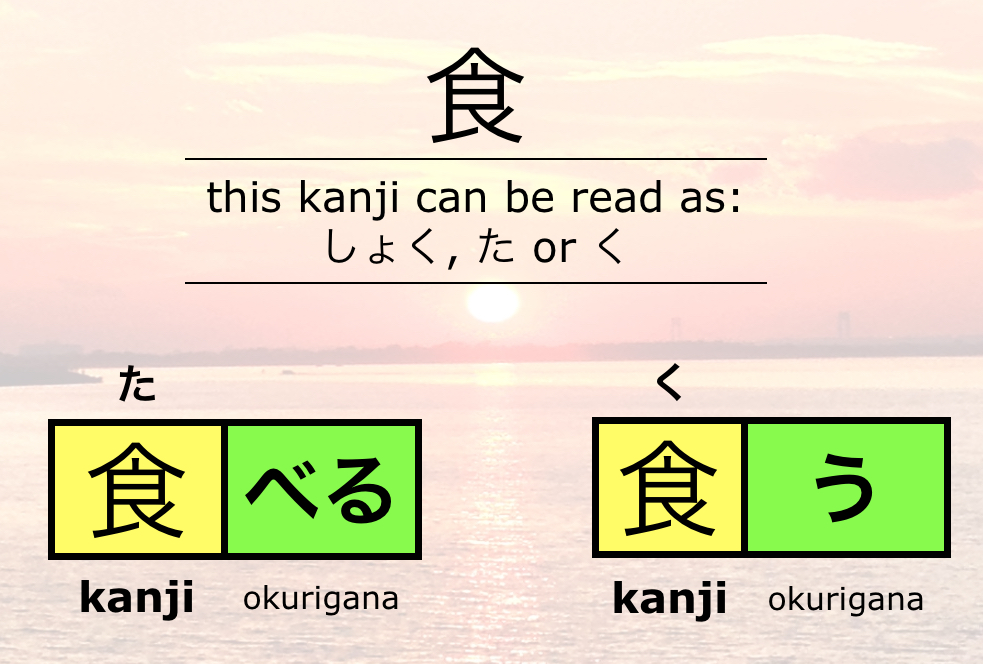
The okurigana tells you how you should read the 食 Kanji. In this particular example, both words mean “to eat” so mixing them up is not the end of the world (depending on who you are talking with!). Other times, however, the meanings will be drastically different so okurigana is a vital part of Japanese.
Adjectives and Verbs
Most of the time, you’ll find okurigana with adjective and verb forms. This is because they have a core part (called the stem) that will not change, and an ending that changes to add different shades of nuance to the core meaning. Think of the difference between “kick”, “kicks”, and “kicked” in English.
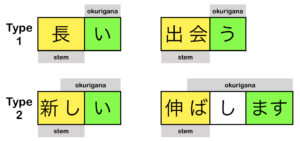
Notice that sometimes the adjective or verb stem doesn’t overlap with the okurigana (Type 1). Other times, part of the stem is included in the okurigana (Type 2). The main thing to remember is, the okurigana is the Hiragana after the Kanji.
Another time you will see okurigana is with compound verbs. This is where two verbs are combined into one. In these cases, there will be okurigana both between and after Kanji characters. Examples are:
思い出す, which means “to remember”
食べ残す, which means “to leave food half-eaten”
Nouns
There are some occasions where nouns will have okurigana. Many times, they will end in a character from the い VSG.
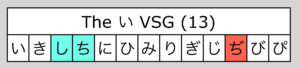
This is because they actually come from verbs! Here are some examples:
匂い (from 匂う)
好き (from 好く)
ーーーーーーーーーー
乗り場 (from 乗る)
立ち飲み (from both 立つ and 飲む)
Other times, they aren’t derived from verbs, they are just simply nouns:
勢い, which means “force, power”
後ろ, which means “behind, rear”
全て, which means “all, everything”
情け, which means “pity, sympathy”
斜め, which means “diagonal, slanted”
Same Kanji, Different Okurigana
The function of okurigana is to point you in the right direction of how to pronounce a given Kanji. There would be no reason for this if each Kanji had only 1 possible reading. As it turns out, a single Kanji can have many different ways to say it. Here are some examples:
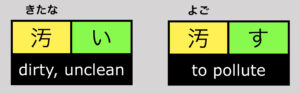
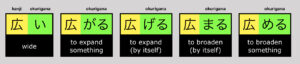
As you can see, depending on the okurigana, 汚 can be read as きたな or as よご. On the other hand, the Kanji 広 is read as ひろ in all of those 5 words! For this reason, I would recommend learning Kanji like 広 early in your studies. It will be much easier for you to remember a Kanji with only 1 or 2 readings than a Kanji with many different readings.
Same Kanji, Same Okurigana
It’s rare, but there are times when the okurigana unfortunately won’t tell you decisively how to pronounce the Kanji. Here is an example:
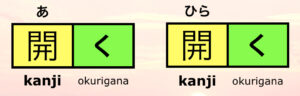
As you can see (with the help of the furigana!) BOTH the Kanji and the okurigana are the same, making them homographs. If it weren’t for the furigana, you might not know which reading of the kanji to use. In this situation, they both mean “to open” but the way and the kind of opening is different. Japanese often separates very similar meanings by using different Kanji. In English, we just take it for granted that you can open your eyes and you can also open a door. In Japanese, they are two different kinds of actions, and so different Kanji are used. (It won’t matter when you speak, but when you write or type, it would be good to be aware of the difference.) In these kinds of cases, you will have to rely on either context or on furigana to know which reading is correct.